
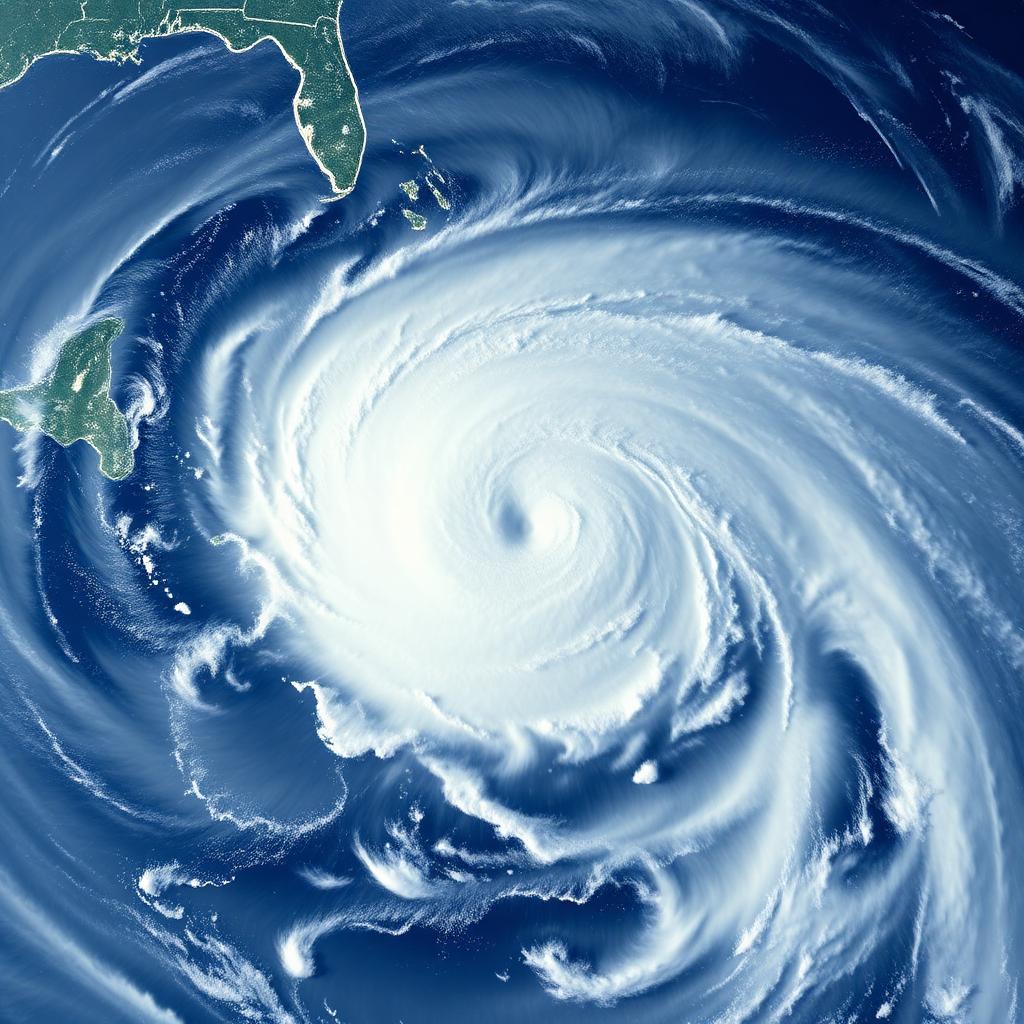
2026 ATLANTIC HURRICANE SEASON
Operation:
Act Before Impact
Arthur
Bertha
Cristobal
Dolly
Edouard
Fay
Gonzalo
Hanna
Isaias
Josephine
Kyle
Leah
Marco
Nana
Omar
Paulette
Rene
Sally
Teddy
Vicky
Wilfred
The Department of Emergency Management leads disaster preparedness and response coordination in Barbados. Know the names. Know the plan. Act before impact.
HAZARD DIRECTORY
View all hazards →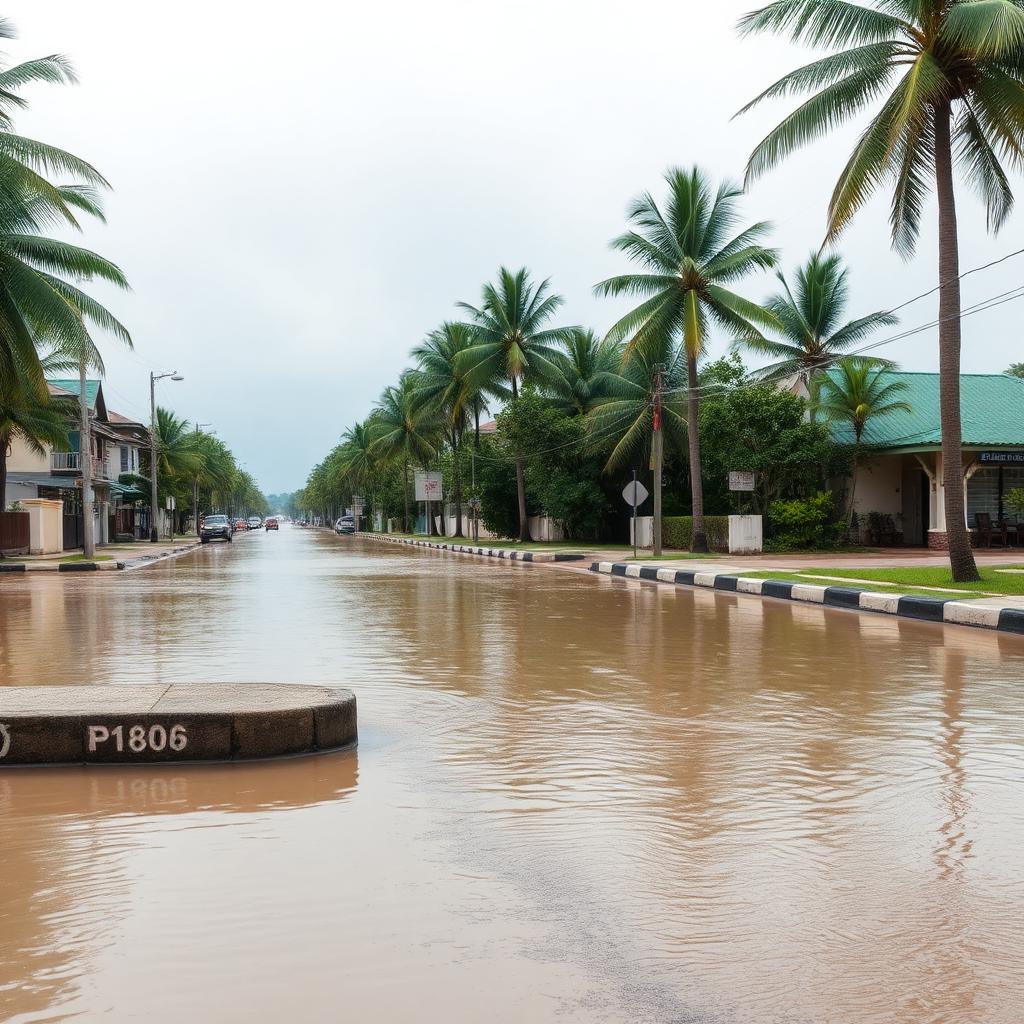
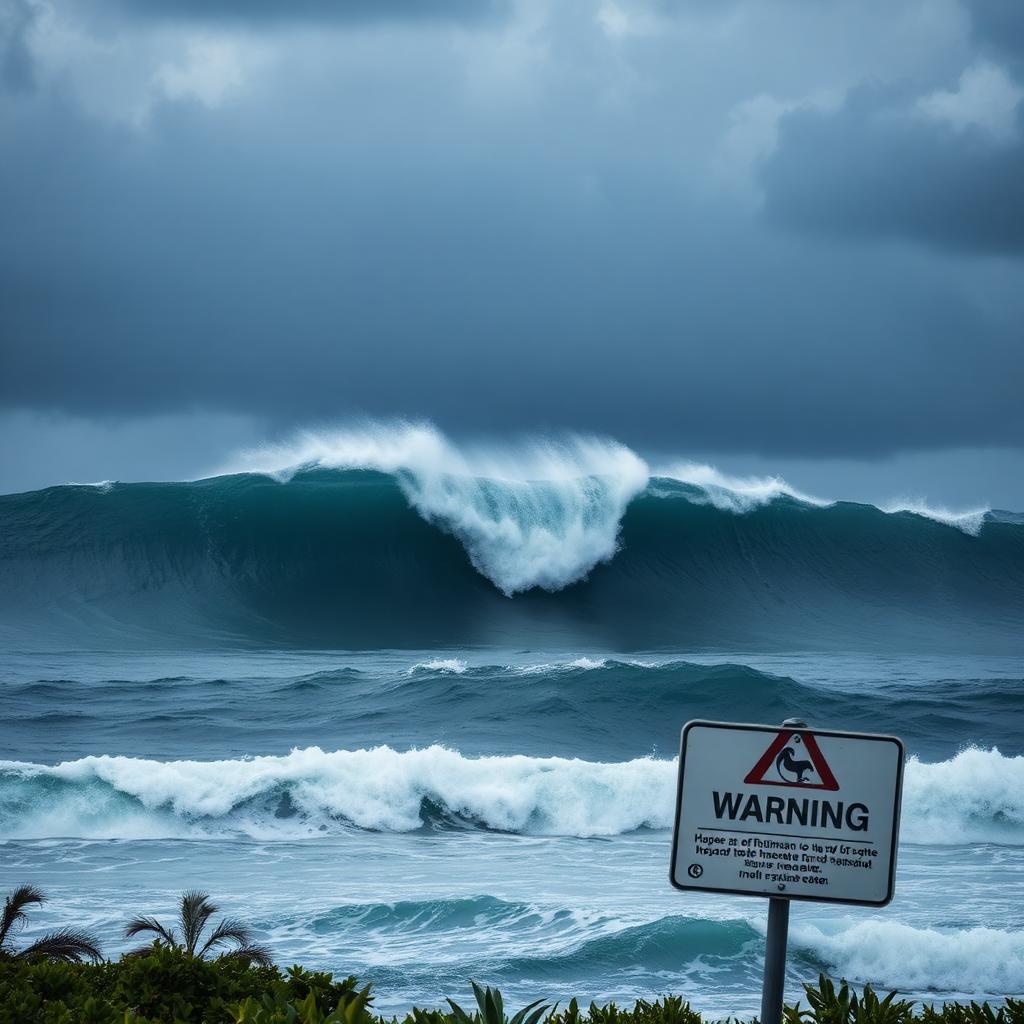
Featured Publications
Featured Publication · Revised March 2025
Policy Framework & Standard Operating Procedures for the Systematic Shutdown and Reactivation of Barbados
The official DEM framework that guides how essential services, private sector operations, and public infrastructure are safely shut down ahead of a major hazard event and systematically reactivated once the all-clear is issued. Reference this document when developing agency, business, and household continuity plans.
- Format
- Revised
- March 2025
- Issued by
- DEM Barbados
Public Awareness
KNOW THE RISKS. TAKE ACTION.
Hurricane Season
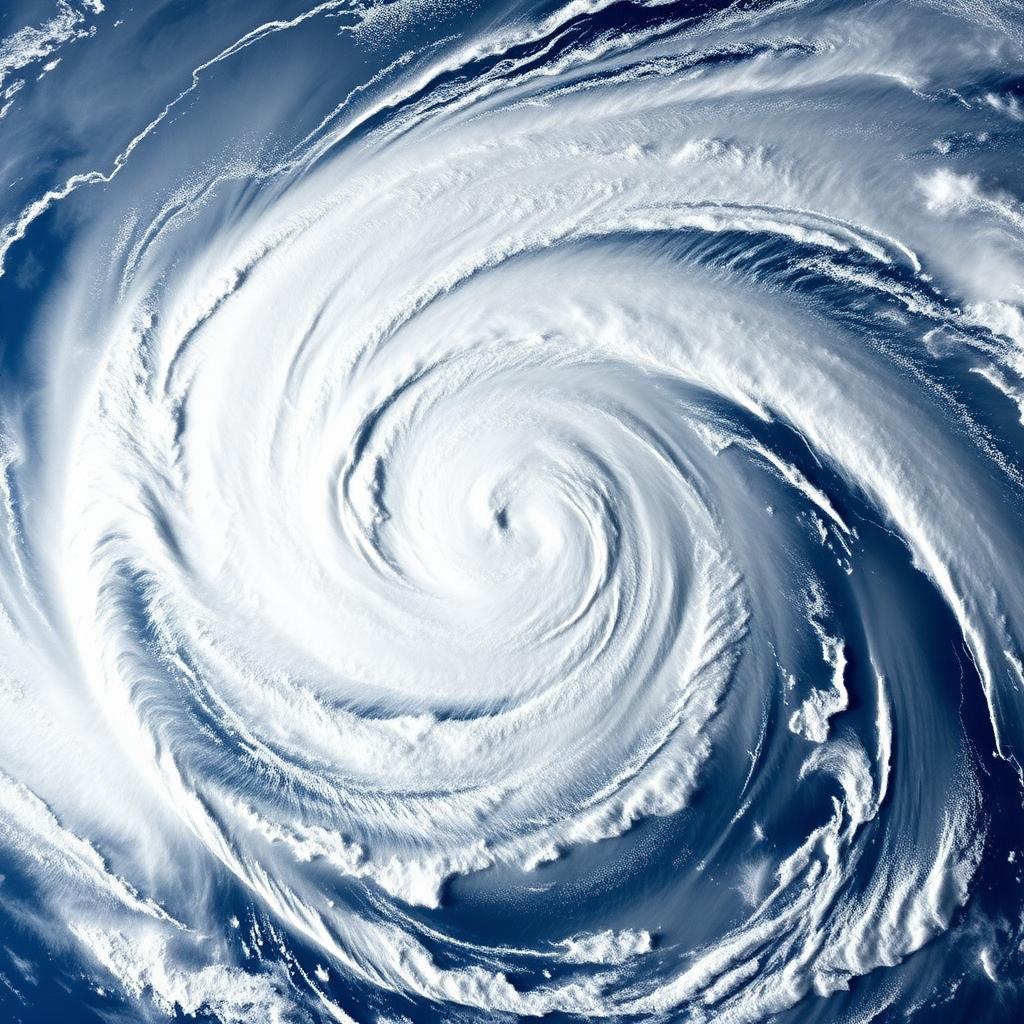
The Annual Atlantic Hurricane Season commences June 1 and ends on November 30.
Tropical Storms and Hurricanes are caused by a combination of warm tropical oceans, light winds and moisture along with pre-existing weather disturbances. Hurricanes bring heavy rain, strong winds and large waves which often damage many homes, cars, buildings and trees.
Hurricanes are grouped into 5 categories, which tell you how strong they are. The Saffir-Simpson Hurricane Scale is a 1-5 rating which is based on the present intensity of the hurricane. Read More
Click Here for the Hurricane Preparedness ChecklistCOVID-19
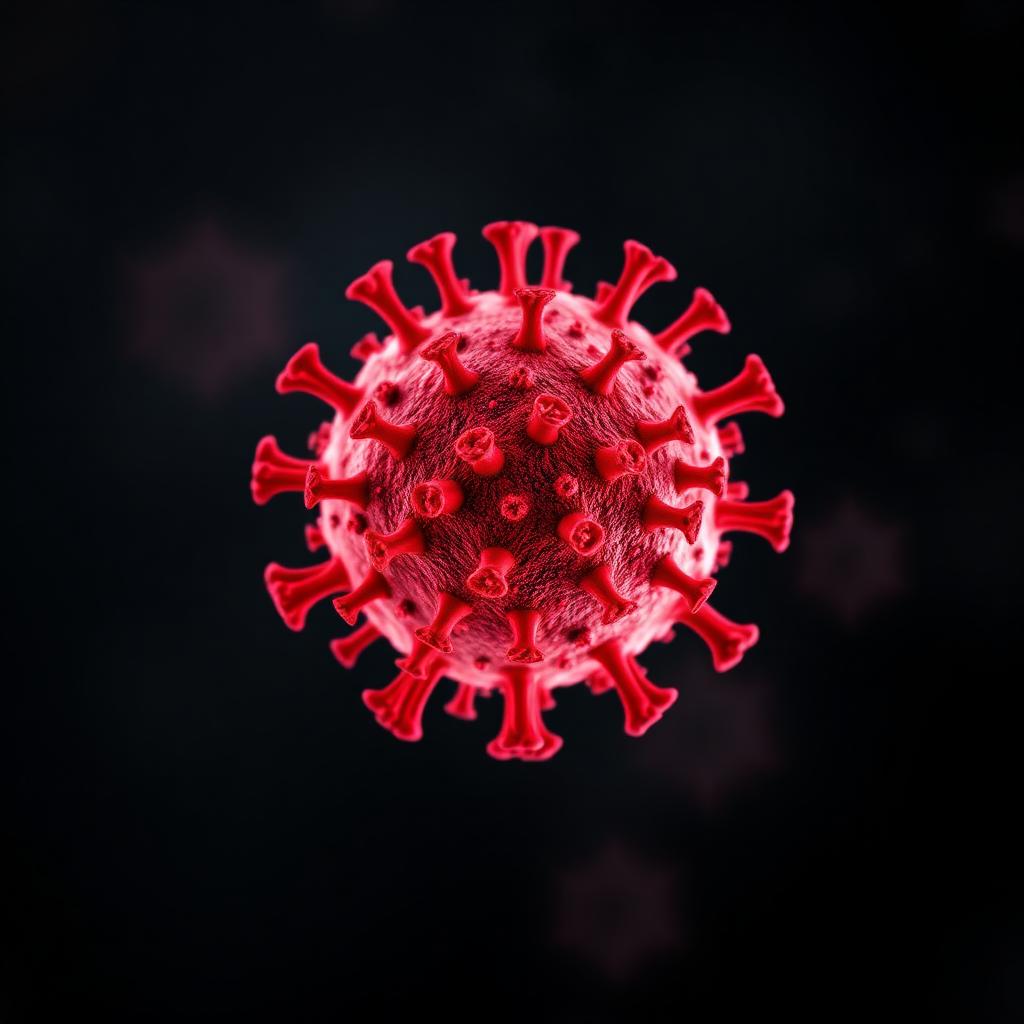
COVID-19 is a highly infectious respiratory illness that can be spread from an infected person to persons in close contact with them.
How do you catch COVID-19?
An infected person can spread the virus to a healthy person if they are in close contact with each other (within about 2 meters / 6 feet) through droplets produced when an infected person coughs or sneezes.
It is also spread through contact with contaminated surfaces that have been exposed to the virus by touching a surface or object that has the virus on it and then touching your own mouth, nose, or eyes. Click here for more information on COVID-19
Click Here for the Coronavirus (COVID-19) Barbados Travel GuidelinesBecome a Volunteer
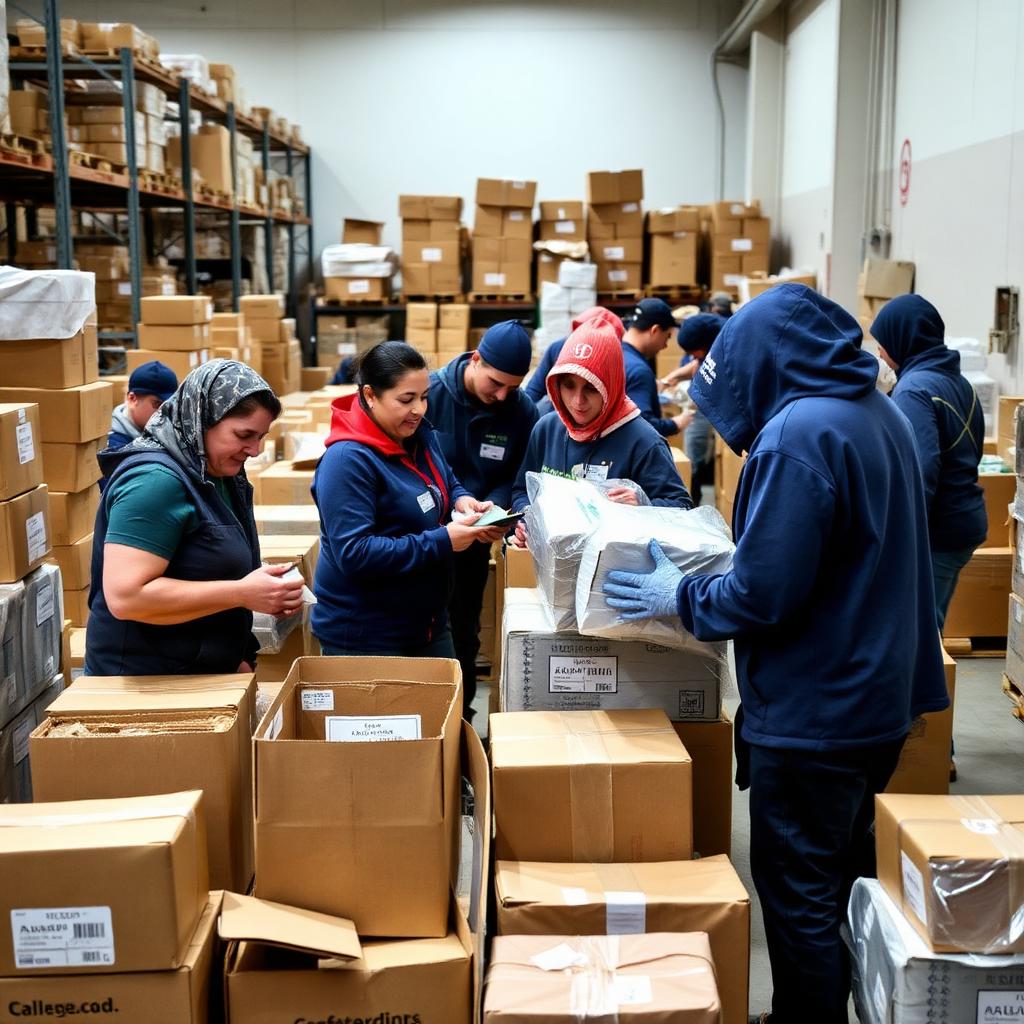
We need you! We need your assistance!
- Give back to your community
- Serve your country in a time of crisis
- Render humanitarian services to your fellow men/women
- Learn new skills which can save lives
- Confidently face new challenges with a winning attitude
- Respond to major vehicular accidents, flooding, large fires, landslides, earthquakes, storms or high winds
Be Ready
EMERGENCY CHECKLIST
Use this checklist to prepare your household before a storm or disaster threatens Barbados.
Water & Food
- 1 gallon of water per person per day (3-day minimum)
- 3-day supply of non-perishable food
- Manual can opener and basic utensils
- Baby food, formula, and pet supplies if needed
Communication
- Battery-powered or hand-crank radio (NOAA band)
- Fully charged mobile phone and power bank
- Whistle to signal for help
- List of emergency contacts and meeting points
Safety & Tools
- Flashlight and extra batteries
- First-aid kit and essential medications
- Waterproof matches and candles
- Multi-purpose tool or basic tool kit
Documents
- IDs, passports, and birth certificates
- Insurance policies in waterproof bag
- Medical records and prescriptions
- Cash and copies of bank cards
Home Preparation
- Board up windows and secure doors
- Trim trees and clear drains/gutters
- Secure loose outdoor items
- Know your nearest shelter and evacuation route
Personal Care
- Prescription glasses and contact supplies
- Personal hygiene items and sanitation supplies
- Change of clothes and sturdy shoes
- Blankets, towels, and insect repellent
Download a printable version of this checklist or share it with family and neighbours so everyone is prepared.
Get the full guideBuilt for DEM
A WEBSITE THAT GROWS WITH THE DEPARTMENT
The live demonstration shows the direction and about 30% of the planned capability. The final website is shaped entirely around what DEM needs now and what the department may need in the future.
Add any page or section
New hazards, campaigns, services, parishes or emergency programmes can be added without rebuilding the site.
Update content without coding
Approved DEM staff can edit alerts, documents, page text and images through a simple interface.
Match DEM's branding
Colours, fonts, the DEM crest and page layouts are all controlled by DEM and can be refined at any time.
Expand over time
The platform supports maps, dashboards, multilingual content, event calendars, forms and more as needs grow.
Secure and reliable
Built on modern web standards with official government hosting, regular backups and clear access controls.
Accessible to all
Designed for clear contrast, keyboard navigation, screen readers and mobile devices from day one.
THE DEMO IS JUST THE STARTING POINT
Every section, colour, image and feature can be changed. The final site is built for DEM's exact requirements, not a template.
TRY SIX NEW FEATURES LIVE
Live alert banner, shelter finder, public alert sign-up, incident reporting, accessibility and language tools, and a combined news feed — all working demonstrations you can use right now.
UPCOMING EVENTS
Full calendar →- 24OCT
National Disaster Simulation Exercise
Warrens Plaza field test. Volunteers required for the mass-casualty drill.
- 12NOV
District Emergency Meeting
St. Michael West division review of emergency shelters and supply stocks.
- 05DEC
Liaison Officer Certification
Annual re-certification day for designated agency liaison officers.